

 By
By 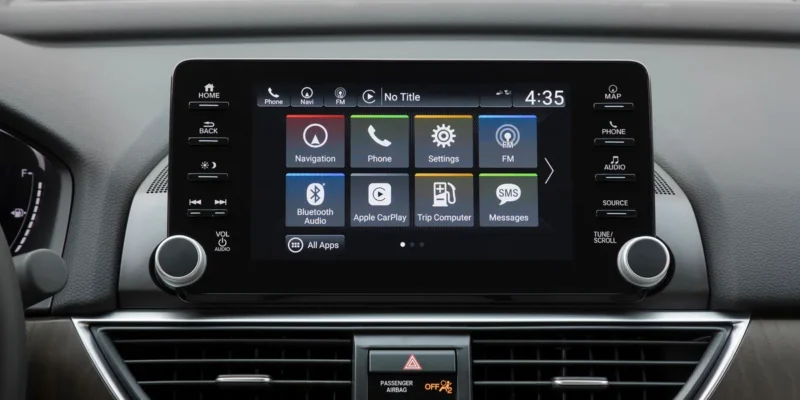
Car infotainment systems have transformed from simple radio receivers into sophisticated digital hubs that control entertainment, communication, navigation, and vehicle settings. What began as a convenience feature has become a central element of the modern driving experience.
Understanding how these systems evolved reveals how automotive technology adapted to changing driver expectations, digital lifestyles, and advances in connectivity.
What Is a Car Infotainment System
A car infotainment system is an integrated platform that combines information services and entertainment functions within a vehicle. It allows drivers and passengers to access media, navigation tools, connectivity features, and vehicle controls through a centralized interface.
Typical infotainment capabilities include:
- Audio playback and streaming
- Navigation assistance
- Smartphone connectivity
- Voice control features
- Vehicle diagnostics and settings access
Over time, these systems have shifted from optional luxuries to essential components of modern vehicles.
The Early Era of In Car Audio Systems
The foundation of infotainment technology began with simple in car radio systems introduced during the early twentieth century. These early devices allowed drivers to listen to broadcast stations while traveling.
Later developments included cassette players and compact disc units, which expanded entertainment options inside vehicles.
During this period, key characteristics included:
- Analog radio reception
- Limited sound customization
- Physical control knobs and buttons
- No integration with other vehicle systems
Although basic by modern standards, these early systems established the concept of in car entertainment.
The Introduction of Digital Displays and CD Players
As digital technology advanced during the late twentieth century, car manufacturers began integrating improved audio systems and display panels.
Important developments during this phase included:
- Digital radio tuning interfaces
- Compact disc playback capability
- Multi speaker sound systems
- Early onboard information displays
These innovations marked the first shift toward combining entertainment with informational features inside vehicles.
The Rise of Navigation Integrated Systems
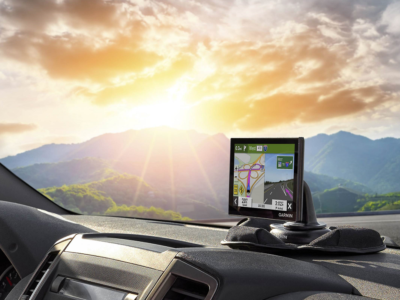
Navigation technology represented a major turning point in infotainment evolution. Manufacturers began embedding GPS based mapping systems directly into vehicle dashboards.
This allowed drivers to:
- View routes in real time
- Receive turn by turn instructions
- Search destinations quickly
- Reduce reliance on printed maps
Navigation integration helped transform infotainment units from entertainment tools into driver assistance platforms.
The Emergence of Touchscreen Interfaces
Touchscreen technology changed how drivers interacted with vehicle systems. Instead of relying solely on physical buttons, users could access functions through intuitive digital menus.
Touchscreen infotainment systems introduced:
- Interactive map controls
- Media selection through visual menus
- Climate control integration
- Easiness of switching between applications
These interfaces improved accessibility while supporting more complex system capabilities.
Smartphone Integration and Connectivity Expansion
A major milestone in infotainment development occurred with the integration of smartphones into vehicle dashboards. This allowed drivers to extend familiar mobile features directly into their cars.
Common smartphone integration features include:
- Music streaming services access
- Hands free calling support
- Messaging assistance through voice commands
- App mirroring on dashboard screens
This connectivity transformed infotainment systems into extensions of personal digital environments.
Voice Control and Intelligent Assistants
Voice recognition technology significantly improved usability and safety by reducing the need for manual interaction while driving.
Modern infotainment systems now support voice based commands that allow drivers to:
- Change music tracks
- Enter navigation destinations
- Make phone calls
- Adjust vehicle settings
These features enhance convenience while helping drivers remain focused on the road.
Cloud Connectivity and Real Time Services
Recent infotainment systems rely heavily on cloud based services to deliver real time information and updates.
Cloud enabled systems provide access to:
- Live traffic information
- Weather updates
- Over the air software updates
- Streaming entertainment platforms
This connectivity ensures infotainment platforms remain current and responsive to changing conditions.
Integration With Vehicle Control Systems
Modern infotainment units are no longer limited to entertainment and navigation. They now interact directly with vehicle functions and driver assistance technologies.
Integrated features may include:
- Parking camera visualization
- Driving mode selection
- Tire pressure monitoring display
- Energy usage tracking in electric vehicles
This integration creates a centralized control environment that improves both awareness and convenience.
The Role of Artificial Intelligence in Modern Infotainment
Artificial intelligence is shaping the next stage of infotainment development by enabling systems to adapt to driver behavior and preferences.
AI supported infotainment systems can:
- Recommend preferred routes automatically
- Suggest frequently used destinations
- Adjust cabin settings based on habits
- Improve voice command accuracy over time
These capabilities are making infotainment systems increasingly personalized.
The Future of Car Infotainment Systems
The future of infotainment systems will likely focus on deeper connectivity and immersive interaction.
Expected developments include:
- Augmented reality navigation overlays
- Expanded gesture control interfaces
- Seamless smart home integration
- Enhanced personalization through predictive software
As vehicles become more connected and autonomous, infotainment platforms will continue to evolve into central digital command centers.
Frequently Asked Questions
1. What is the difference between infotainment and navigation systems in cars
Navigation systems focus mainly on route guidance, while infotainment systems combine entertainment, connectivity, navigation, and vehicle information features in one platform.
2. Can infotainment systems be upgraded after purchasing a vehicle
Many vehicles allow software updates or replacement head units that support newer connectivity features and applications.
3. Do infotainment systems affect vehicle performance
Infotainment systems operate independently from engine performance but may interact with vehicle diagnostics and driving mode controls.
4. Are infotainment systems safe to use while driving
Most modern systems are designed with voice commands and simplified interfaces to minimize driver distraction.
5. How often do infotainment systems receive software updates
Connected vehicles may receive periodic over the air updates, while others require manual updates through service centers or storage devices.
6. Do infotainment systems store personal user data
Some systems store preferences such as seat position, navigation history, and media settings depending on manufacturer design.
7. Are infotainment systems available in all types of vehicles
Infotainment systems are now available across most vehicle segments, from entry level cars to luxury vehicles, although features vary by model and manufacturer.


Comments