

 By
By 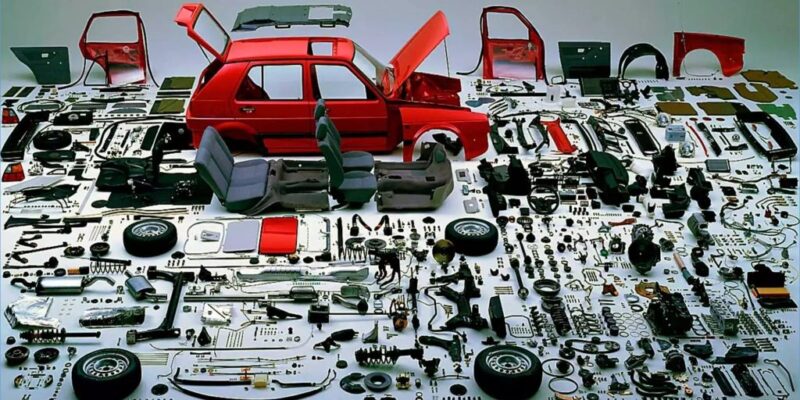
When it comes to maintaining a vehicle, one cannot underestimate the significance of using high-quality auto parts. Whether you are an owner of a personal car, a fleet manager, or an automotive repair professional, understanding the importance of reliable auto parts is essential for ensuring both the safety and longevity of your vehicle. This article will explore the critical role auto parts play in vehicle maintenance, the different types of auto parts, and how to make informed decisions when purchasing them.
1. The Role of Auto Parts in Vehicle Performance
Auto parts are the building blocks that ensure the proper functioning of every system within a vehicle. From the engine to the transmission, brakes to suspension, each component plays a crucial role in maintaining smooth operations. Using quality auto parts helps keep the vehicle in peak condition, preventing malfunctions that could compromise safety, comfort, and performance.
High-quality parts work more efficiently, last longer, and contribute to better fuel efficiency, while substandard parts may wear out quickly, leading to costly repairs. For instance, choosing quality brake pads ensures that the braking system works optimally, offering safe stopping power. Likewise, using top-tier spark plugs or fuel filters ensures that the engine runs smoothly, providing better acceleration and minimizing the chances of engine failure.
2. Types of Auto Parts
Auto parts can be categorized into two broad groups: original equipment manufacturer (OEM) parts and aftermarket parts. Understanding these categories is essential for making the right decision when it comes to vehicle repairs and replacements.
OEM Parts: These are parts that are produced by the same manufacturer who made the original components of the vehicle. OEM parts are often seen as the gold standard because they are specifically designed for a particular make and model, ensuring perfect fit and functionality. OEM parts are typically more expensive than aftermarket parts but offer the assurance of consistency and quality.
Aftermarket Parts: These parts are made by third-party manufacturers and are designed to fit various makes and models of vehicles. While aftermarket parts may not always match the exact specifications of OEM parts, they often provide a more affordable option for consumers. Some aftermarket parts may even surpass OEM parts in quality or performance, offering custom designs or enhancements that the original parts may lack.
3. The Impact of Quality Auto Parts on Vehicle Safety
Vehicle safety is paramount, and quality auto parts play a significant role in ensuring that your car remains safe to drive. Critical components such as the brakes, suspension, and airbags are essential for protecting both the driver and passengers in the event of an accident. Using genuine, well-built auto parts in these systems is crucial to their proper functioning.
For example, faulty brake pads or a malfunctioning steering system can lead to accidents. Similarly, using low-quality suspension components can cause poor handling, compromising the vehicle’s stability and increasing the risk of rollovers or collisions. Ensuring that you use high-quality parts when repairing or replacing these components is crucial to maintaining a safe driving experience.
4. How Quality Auto Parts Contribute to Vehicle Longevity
Regular maintenance and the use of durable, high-quality auto parts are key to extending the life of your vehicle. High-grade components tend to endure longer, reducing the frequency of breakdowns and the need for repairs. For example, if you choose high-quality tires, they can last much longer than cheaper alternatives, providing better traction, fuel efficiency, and comfort throughout their lifespan.
Another important aspect of longevity is the prevention of premature wear and tear. When inferior parts are used, they can lead to excessive strain on other components, accelerating their degradation. This cascading effect can ultimately lead to a higher total cost of ownership due to frequent repairs or the need for early replacement of the vehicle itself.
5. How to Choose the Right Auto Parts
When purchasing auto parts, several factors should be taken into account to ensure you make the best choice for your vehicle.
Quality: Always prioritize quality over price. While cheaper parts might seem attractive initially, they may fail prematurely, resulting in higher long-term costs. Stick to reputable brands and, when possible, opt for OEM parts, especially for critical components like brakes or engine parts.
Compatibility: Ensure that the part you are purchasing is compatible with your vehicle’s make and model. Parts that are not designed to fit properly can cause operational issues and even damage other components of the vehicle.
Warranty: Many quality auto parts come with a warranty that ensures they will function properly for a specified period. This adds an extra layer of protection, as you can get a replacement or refund if the part fails within the warranty period.
Reviews and Recommendations: Before making a purchase, take time to read reviews and consult with professionals in the industry. Experienced mechanics or vehicle owners can provide invaluable insight into the reliability and performance of different parts.
6. The Cost Factor: Is It Worth Investing in Quality Auto Parts?
While quality auto parts might be more expensive upfront, they can ultimately save you money in the long run. High-quality components often come with extended warranties, fewer failures, and reduced maintenance costs. By investing in quality auto parts, you’re ensuring that your vehicle remains safe, reliable, and efficient, which can reduce the likelihood of costly repairs down the road.
On the other hand, opting for cheaper, lower-quality auto parts might save you money in the short term, but you risk having to replace the parts sooner, leading to more frequent repairs. In some cases, cheap parts may even cause damage to other systems in the vehicle, compounding your costs and frustration.
7. Finding Trusted Auto Part Suppliers
Finding a trusted auto parts supplier is just as important as selecting the right components for your vehicle. It’s vital to choose a supplier known for providing reliable, high-quality products and excellent customer service. Many suppliers offer both OEM and aftermarket options, so it’s essential to work with one that understands your specific needs and can guide you in making the best choice.
Additionally, reputable auto parts suppliers often provide expert advice, ensuring that you understand the specifications, installation process, and any potential issues with the parts you purchase. This can save you time and hassle, ensuring that the repair or replacement process goes smoothly.
8. Regular Maintenance: Preventing the Need for Frequent Parts Replacement
One of the best ways to maximize the lifespan of your auto parts is to keep up with regular maintenance. Routine inspections, oil changes, tire rotations, and brake checks can help identify wear before it becomes a significant issue. By addressing minor repairs early on, you prevent further damage to more expensive components.
Neglecting maintenance can cause parts to wear out faster, requiring more frequent replacements. By investing in preventive care and using quality auto parts, you can avoid these unnecessary expenses and keep your vehicle running in optimal condition for years to come.
Conclusion
In the realm of vehicle maintenance, using high-quality auto parts cannot be overstated. From enhancing vehicle performance and safety to extending the lifespan of your car, quality parts play a crucial role in ensuring your vehicle runs smoothly and efficiently. When choosing auto parts, it is essential to prioritize compatibility, durability, and the reputation of the manufacturer. Investing in reliable, long-lasting components not only keeps your vehicle in top shape but also helps save on repair costs in the future. By staying informed and making thoughtful decisions, you can ensure that your car continues to perform at its best for years to come.




Comments