

 By
By 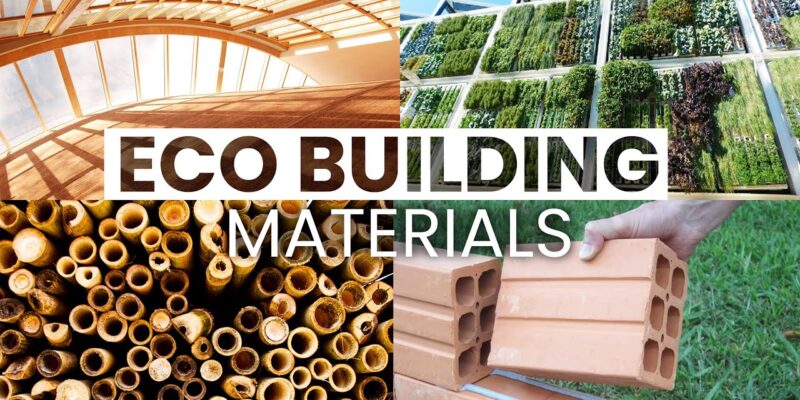
Building an environmentally responsible home begins with thoughtful material selection and construction planning. Sustainable homes are designed to reduce environmental impact, improve indoor air quality, and lower long-term energy costs while creating healthier living spaces. Choosing eco-conscious materials is not only beneficial for the planet but also enhances durability, comfort, and long-term value.
This guide explains how to select sustainable building materials and implement eco-friendly construction practices that support both environmental responsibility and practical performance.
Why Sustainable Building Materials Matter
Traditional construction materials often involve high carbon emissions, chemical treatments, and excessive resource extraction. Sustainable alternatives minimize these effects while supporting healthier living environments.
Key benefits include:
- Reduced environmental footprint
- Lower long-term maintenance costs
- Improved indoor air quality
- Energy efficiency improvements
- Increased property value over time
Selecting responsible materials early in the construction phase significantly influences the sustainability performance of the entire structure.
Characteristics of Sustainable Building Materials
Not all materials labeled environmentally friendly truly meet sustainability standards. The best options typically share several important characteristics.
Look for materials that are:
- Locally sourced to reduce transportation emissions
- Renewable or rapidly replenished
- Durable and long-lasting
- Recyclable or reusable
- Low in embodied energy
- Free from toxic chemicals or harmful emissions
Evaluating materials based on lifecycle impact ensures better environmental outcomes.
Bamboo as a Rapidly Renewable Structural Resource
Bamboo has become one of the most promising materials for sustainable construction due to its strength and renewability.
Advantages include:
- Fast growth cycle compared to timber
- High strength-to-weight ratio
- Natural resistance to pests when treated properly
- Flexibility in earthquake-prone regions
- Attractive natural aesthetic
Bamboo works well for flooring, wall panels, framing components, and decorative finishes.
Reclaimed Wood for Reduced Environmental Impact
Reclaimed wood prevents usable timber from entering landfills while reducing the demand for newly harvested trees.
Common applications include:
- Structural beams
- Flooring
- Wall cladding
- Doors and window frames
- Furniture integration
It also adds character and warmth that modern manufactured materials often lack.
Recycled Steel for Structural Durability
Steel is highly recyclable without losing strength or performance. Using recycled steel significantly reduces mining requirements and manufacturing emissions.
Benefits include:
- Exceptional structural strength
- Resistance to termites and moisture
- Reduced construction waste
- Long service life
- Compatibility with modular building techniques
Steel framing can be especially useful in areas with extreme climate conditions.
Rammed Earth for Natural Thermal Stability
Rammed earth construction uses compacted soil layers to create durable, breathable walls with excellent insulation properties.
Advantages include:
- Low embodied energy
- Excellent thermal mass performance
- Fire resistance
- Minimal chemical processing
- Natural aesthetic appearance
This material performs especially well in climates with significant temperature variations between day and night.
Eco-Friendly Insulation Materials That Improve Efficiency
Proper insulation reduces heating and cooling demand, which directly lowers energy consumption.
Sustainable insulation options include:
- Cellulose made from recycled paper
- Sheep wool insulation
- Cork insulation boards
- Hemp-based insulation
- Recycled cotton insulation
These alternatives offer strong thermal performance while minimizing environmental harm.
Passive Design Strategies for Sustainable Homes
Material selection alone cannot create a sustainable home. Smart architectural planning enhances efficiency without increasing construction complexity.
Important passive design strategies include:
- Orienting the house to maximize natural sunlight
- Designing cross-ventilation pathways
- Installing shaded windows to control heat gain
- Using thermal mass materials strategically
- Incorporating skylights for daylight optimization
These techniques reduce reliance on artificial lighting and mechanical cooling systems.
Choosing Low-VOC Finishes for Healthier Indoor Air
Many paints, adhesives, and finishes release volatile organic compounds that affect indoor air quality.
Safer alternatives include:
- Water-based paints
- Natural lime plaster
- Clay-based wall finishes
- Plant-based sealants
- Low-emission adhesives
Using non-toxic finishing materials helps maintain a healthier indoor environment, especially for children and elderly residents.
Locally Sourced Materials Reduce Environmental Footprint
Transporting heavy construction materials across long distances significantly increases carbon emissions.
Locally available materials offer several advantages:
- Lower transportation costs
- Reduced environmental impact
- Support for regional industries
- Better climate compatibility
- Easier maintenance and replacement
Consulting local suppliers often reveals sustainable materials suited specifically to regional conditions.
Water-Smart Construction Practices
Sustainable homes also manage water efficiently during both construction and occupancy.
Effective strategies include:
- Rainwater harvesting systems
- Permeable paving surfaces
- Greywater reuse planning
- Efficient plumbing fixture selection
- Landscape design using native plants
Water-conscious planning improves resilience and reduces long-term utility costs.
Waste Reduction During Construction
Construction waste contributes heavily to landfill accumulation. Planning ahead minimizes unnecessary material loss.
Practical methods include:
- Modular construction techniques
- Accurate quantity estimation
- Recycling leftover materials
- Reusing formwork
- Partnering with suppliers offering take-back programs
Efficient site management strengthens sustainability outcomes.
Conclusion
Choosing sustainable materials for eco-friendly home construction requires balancing durability, environmental responsibility, health considerations, and long-term efficiency. Materials such as bamboo, reclaimed wood, recycled steel, rammed earth, and natural insulation solutions contribute significantly to reducing environmental impact while improving living quality.
When combined with passive design strategies, water-efficient planning, and responsible waste management practices, these materials help create homes that are both environmentally conscious and economically practical for future generations.
Frequently Asked Questions
1. What is the most sustainable material for home construction today
Bamboo, rammed earth, and reclaimed wood are among the most sustainable materials due to their renewability, low embodied energy, and durability.
2. Are eco-friendly building materials more expensive than traditional materials
Some sustainable materials may cost more initially, but they often reduce maintenance, energy, and replacement expenses over time.
3. How can homeowners verify whether a material is truly sustainable
Check for lifecycle assessments, environmental certifications, local sourcing details, and absence of toxic chemical treatments.
4. Do sustainable homes require special maintenance
Most sustainable materials are selected for durability and often require equal or less maintenance than conventional materials.
5. Can eco-friendly homes be built in urban areas
Yes, many sustainable construction methods such as recycled steel framing, passive ventilation design, and low-VOC finishes work well in urban environments.
6. Is passive solar design suitable for all climates
Passive solar techniques can be adapted to most climates by adjusting orientation, shading elements, insulation levels, and ventilation strategies.
7. How early should sustainability planning begin in home construction
Sustainability planning should begin at the design stage to ensure proper material selection, orientation decisions, and efficient system integration.


Comments