

 By
By 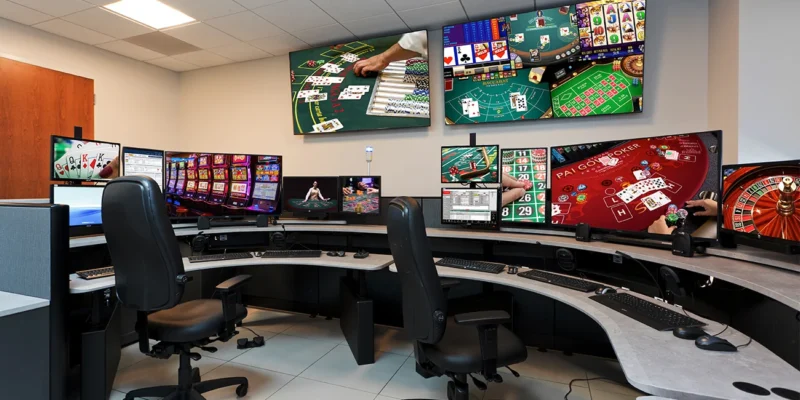
Casino environments handle large volumes of cash, sensitive player data, and high-value operations every hour. Because of this, security systems in casinos are among the most advanced and carefully monitored setups in the entertainment industry. These systems are designed not only to prevent theft but also to maintain fairness, protect guests, and comply with strict regulatory requirements.
Understanding how casino security systems work helps explain why casinos operate with such precision and reliability.
Why Casino Security Systems Are Essential
Casinos face unique risks compared to most other businesses. Their security systems must manage financial transactions, crowd control, fraud prevention, and regulatory oversight simultaneously.
Key reasons casinos invest heavily in security include:
- Protecting cash handling areas
- Preventing cheating at gaming tables
- Monitoring employee activity
- Ensuring guest safety
- Maintaining compliance with gaming authorities
- Detecting suspicious behavior quickly
Security infrastructure acts as both a prevention tool and an investigation resource.
Surveillance Cameras and Monitoring Networks
Video surveillance is the backbone of casino security. Modern casinos operate thousands of cameras across gaming floors, entrances, cashier counters, and restricted zones.
These surveillance systems provide:
- Continuous monitoring of gaming tables
- High resolution tracking of chips and cards
- Facial visibility for identity verification
- Coverage of blind spots through overlapping camera placement
Security teams monitor activity in real time from centralized control rooms often referred to as surveillance operations centers.
Access Control Systems for Restricted Areas
Casinos separate public spaces from operational zones using advanced access control systems.
Restricted areas typically include:
- Cash vault rooms
- Surveillance control centers
- IT infrastructure zones
- Staff-only corridors
- Card storage locations
Access control methods commonly used include:
- Keycard authentication
- Biometric verification
- PIN based entry systems
- Multi level identity approval protocols
These systems ensure only authorized personnel enter sensitive areas.
Chip Tracking and Table Game Monitoring Technology
Casino chips contain embedded tracking features that allow staff to monitor their movement across gaming areas.
This technology helps casinos:
- Detect unusual betting patterns
- Prevent counterfeit chip circulation
- Track chip transfers between tables
- Identify suspicious transactions quickly
At table games, trained supervisors and surveillance teams observe player behavior to detect irregular play patterns that could indicate cheating attempts.
Artificial Intelligence in Casino Security
Modern casinos increasingly rely on artificial intelligence to strengthen monitoring capabilities.
AI powered tools assist security teams by:
- Detecting unusual player movement patterns
- Identifying known fraud suspects
- Recognizing suspicious betting behavior
- Monitoring crowd density in real time
- Alerting staff about potential conflicts
AI systems enhance human oversight rather than replace it.
Cybersecurity Protection for Digital Casino Operations
As casinos expand into digital platforms and cashless payment systems, cybersecurity has become equally important as physical surveillance.
Cybersecurity systems protect:
- Player account information
- Payment processing networks
- Slot machine communication systems
- Loyalty program databases
- Online gaming portals
Strong cybersecurity prevents unauthorized access and ensures compliance with financial protection standards.
Employee Monitoring and Internal Risk Prevention
Internal threats can be as serious as external ones. Casinos therefore implement structured monitoring protocols for staff activities.
These measures include:
- Activity logging for sensitive transactions
- Surveillance coverage of employee work zones
- Dual authorization requirements for cash movement
- Regular compliance audits
- Behavioral monitoring programs
Internal oversight protects both employees and casino operations.
Emergency Response and Incident Management Systems
Casino security extends beyond theft prevention. Emergency preparedness is a critical part of the security infrastructure.
Emergency response systems support:
- Crowd evacuation coordination
- Fire detection alerts
- Medical emergency assistance
- Suspicious package identification
- Law enforcement coordination
Integrated response systems ensure fast action during unexpected situations.
Regulatory Compliance and Security Auditing
Casinos operate under strict government regulations that require consistent monitoring and reporting.
Compliance programs typically include:
- Surveillance recording retention policies
- Licensing authority inspections
- Equipment certification requirements
- Financial transaction transparency monitoring
- Independent audit procedures
Maintaining compliance protects casino licenses and ensures operational integrity.
Data Analytics Supporting Security Decisions
Security teams rely on analytics platforms to interpret large volumes of operational data.
Analytics tools help identify:
- Repeated suspicious player activity
- High risk transaction patterns
- Operational inefficiencies
- Security coverage gaps
- Performance trends in surveillance operations
These insights allow casinos to adjust strategies quickly and maintain strong protection standards.
FAQ Section
How many cameras are typically used inside a casino
Large casinos often operate hundreds to thousands of cameras depending on floor size, table count, and regulatory requirements.
Do casino security teams watch players at all times
Security teams monitor gaming activity continuously through surveillance systems, but monitoring focuses on behavior patterns rather than individual tracking without cause.
Are casino chips traceable once they leave the building
Most standard chips are difficult to track outside the premises, but higher value chips may include identification features that allow monitoring within casino property.
Can casino security detect cheating automatically
Modern surveillance software combined with trained personnel can identify many cheating techniques quickly, especially when supported by analytics systems.
Are slot machines connected to casino security networks
Yes. Slot machines are connected to internal monitoring systems that track performance, payouts, and suspicious technical activity.
Do casinos share security information with each other
Casinos sometimes cooperate through regulatory bodies and industry partnerships to identify fraud risks and known cheating patterns.
Is casino security stronger than regular retail security systems
Casino security systems are typically far more advanced because they must protect high value transactions, comply with strict regulations, and monitor complex gaming environments continuously.




Comments